
Books vs Screens: Which Is Better for Studying? Pros, Cons and Speech Points
Are books better than screens for studying? Research finds slightly better understanding on paper, while screens win on access, videos and practice. Here are the advantages and disadvantages of each, study tips, and points for a books vs screens speech or debate.
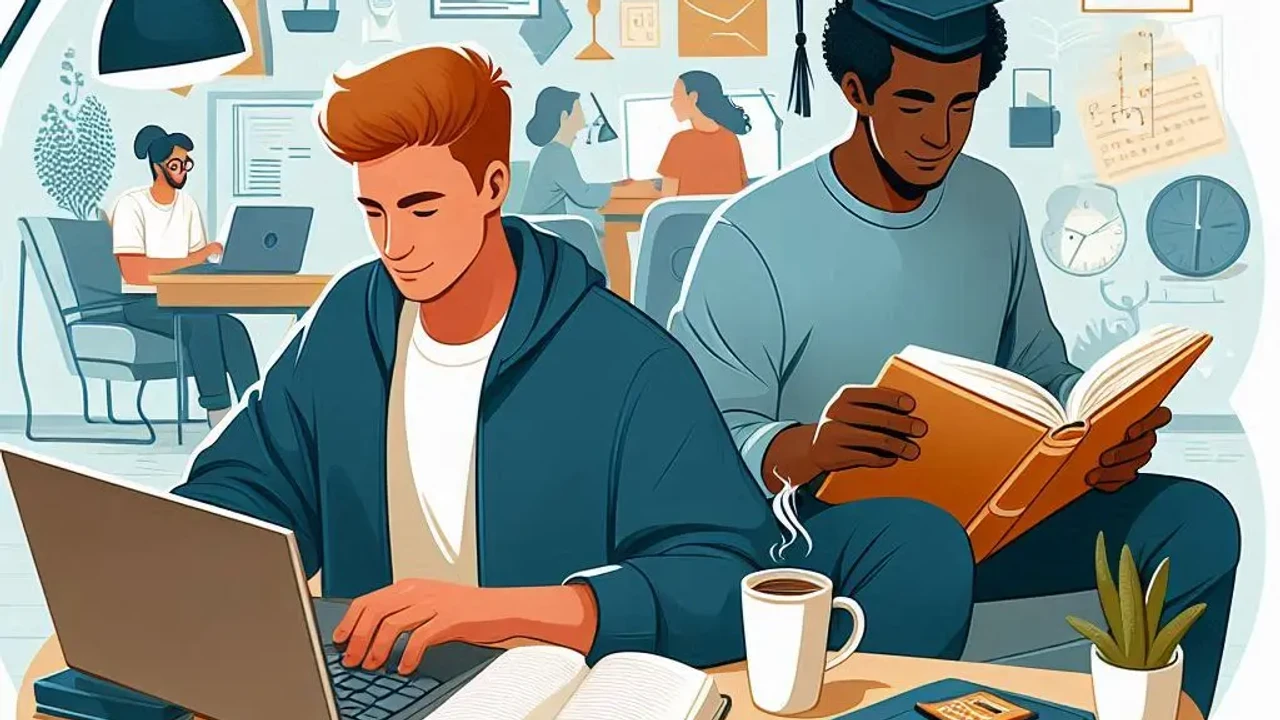
Books or screens: which is better for studying? It is one of the most common debate and speech topics in Indian schools, and also a real question for any student who has both a textbook and a phone on the desk.
Quick answer: for deep reading and remembering what you read, printed books usually win. Research that combines dozens of studies finds that people understand informational text slightly better on paper, especially under time pressure. Screens win on access, search, videos, practice tests and cost. The best approach is to read and revise important chapters on paper, and use screens for looking things up, watching explanations and practising questions, with notifications switched off.
What the research says
The best-known evidence is a 2018 meta-analysis by Pablo Delgado and colleagues, published in Educational Research Review. It combined 54 studies from 2000 to 2017 with more than 1.7 lakh participants. Its main findings:
Readers understood text better on paper than on screens. The gap was small but consistent.
The paper advantage was bigger when reading was timed than when people read at their own pace.
It showed up for informational texts (like textbooks), not for stories (narrative texts).
Surprisingly, the gap grew over the years rather than shrinking as people got used to screens.
You can read the original study here. The likely reason is behaviour, not the screen itself: on a device we tend to skim, scroll and switch tasks, while on paper we slow down.
Also read: Effective Data Collection Strategies for Reliable Research Insights
Books vs screens: advantages and disadvantages
Printed books | Screens (phone, tablet, laptop, e-reader) | |
Understanding long text | Usually better, especially for textbooks | Slightly lower on average, mainly because people skim |
Distractions | Very few | Notifications, apps and games are one tap away |
Eye comfort | Comfortable in good light | Long sessions can cause eye strain and dry eyes |
Portability | Heavy bags, one book at a time | Hundreds of books in one device |
Search and notes | Manual highlighting and flags | Instant search, copy, digital notes |
Videos, animations, quizzes | None | Yes, very useful for science and maths |
Cost and access | Books can be expensive | Many free resources, including NCERT e-books |
Needs power or internet | No | Usually yes |
Advantages of books
Better focus. No notifications, so you stay on one chapter longer.
Better memory of where things are. Many readers remember a diagram as "top of the left page", and that sense of place can help recall in exams.
Easier on the eyes for long sessions in good light.
Good for revision. Your own underlining and margin notes become a revision guide.
Disadvantages of books
Heavy to carry and costly when you need many.
Cannot show animations or videos, which help with topics like circuits or the human heart.
Harder to search quickly.
Advantages of screens
Access. NCERT textbooks, past papers and sample papers are available free online.
Interactive learning. Videos, simulations and instant-feedback quizzes make tough topics easier.
Search and organise. Find a definition in seconds, keep all notes in one place.
Accessibility. Adjustable font size and text-to-speech help students with reading difficulties or weak eyesight.
Disadvantages of screens
Distraction is the biggest problem. One message can break a study session.
Eye strain. People blink less when looking at screens, which can cause tired, dry eyes and headaches.
Late-night use can make it harder to fall asleep.
Shallow reading. Scrolling encourages skimming rather than careful reading.
How to use both for studying
Read new chapters on paper. First reading and revision of key chapters work best from the textbook.
Use screens with a purpose. Watch one explanation video, solve one quiz, then close the app.
Turn off notifications or use focus mode while studying on any device.
Follow the 20-20-20 rule that eye doctors suggest: every 20 minutes, look at something about 20 feet away for 20 seconds.
Stop screens an hour before bed so your sleep is not disturbed.
Write by hand when making short notes or formula sheets. Many students find it helps them remember.
For more on building long, focused study sessions, read our guide on how to study for hours. If you find yourself reaching for the phone, try these steps on how to stop procrastinating.
Also read: Ryzen vs Intel in 2026: Which CPU Is Actually Worth Your Money?
Books vs screens speech: points for a debate or group discussion
If you are preparing a speech, debate or group discussion (GD) on this topic, here are balanced points you can use.
For books
Research shows better understanding of informational text on paper.
Fewer distractions mean deeper focus.
No battery, internet or device needed, which matters in many parts of India.
Less screen time is better for eyes and sleep.
For screens
Free and instant access to textbooks and learning material for every student with a phone.
Videos and simulations explain concepts that a printed page cannot.
Saves paper and makes school bags lighter.
Digital skills are essential for higher studies and jobs.
A strong conclusion: "The question is not books or screens, but which tool for which task. Read deeply on paper, learn interactively on screens, and stay in control of the device."
Verdict
Books are better for focused reading, understanding and revision. Screens are better for access, interactive learning and practice. Most students do best with a mix: paper for reading and remembering, screens for searching, watching and testing, with clear limits on screen time.
FAQs
Are books better than screens for studying?
For reading and understanding textbook-style content, yes on average. Studies show slightly better comprehension on paper, especially under time pressure. Screens are better for videos, quick searches and practice tests.
What are the advantages and disadvantages of books vs screens?
Books give better focus, less eye strain and better recall but are heavy and not interactive. Screens give easy access, search and interactive content but bring distractions, eye strain and shallow reading.
Is reading on a screen bad for your eyes?
Long screen sessions can cause digital eye strain, with dry, tired eyes and headaches, because we blink less. Regular breaks and the 20-20-20 rule help. If discomfort continues, see an eye doctor.
How do I start a books vs screens speech?
Open with a relatable picture, such as a student with a textbook in one hand and a phone in the other, then ask which one actually helps them learn. Give points for both sides and end with a balanced conclusion.
Filed under Technology, Education


Comments