
Why Infrastructure Development Plays an Important Role in Residential Property Demand
Seven ways infrastructure shapes where people want to live, from commuting and metro access to schools, hospitals and township planning, using Pune's western corridor around Mahalunge as a case study.

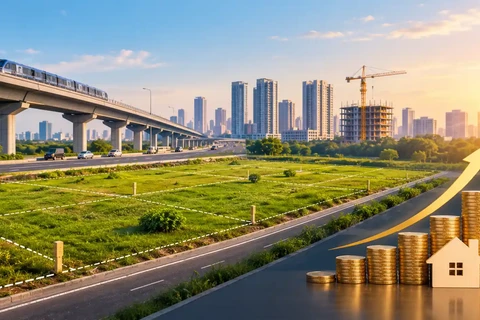
Infrastructure development is one of the major factors influencing residential property demand in growing cities. Roads, highways, public transportation, educational institutions, healthcare facilities, and commercial centres collectively shape the way people choose their homes. A residential property is not evaluated only by its construction quality or apartment size. Buyers also consider how conveniently they can travel to work, access daily necessities, and manage their family's requirements.
In cities such as Pune, expanding employment centres and changing urban development patterns have increased the importance of infrastructure while selecting residential locations. Areas that provide access to workplaces, educational institutions, hospitals, and transportation networks often receive attention from homebuyers looking for practical long-term housing solutions.
1. Connectivity and Daily Commuting Convenience
Connectivity is among the first factors people evaluate when selecting a residential property. Long commuting hours can affect work schedules, family time, and overall quality of life. Therefore, locations connected through well-maintained roads and public transportation systems can become more convenient residential choices.
Highways, arterial roads, flyovers, bridges, and metro networks help connect residential neighbourhoods with important parts of a city. Better road connectivity can also improve access to commercial districts, railway stations, airports, and other essential destinations.
For example, Pune's western growth corridor includes locations such as Baner, Balewadi, Hinjewadi, and Mahalunge. These areas are connected to important employment and residential zones through different road networks. The Mumbai–Bangalore Highway and routes connecting Hinjewadi with surrounding neighbourhoods contribute to the region's accessibility.
For people considering Godrej Elanor Pune, understanding the existing road network and the connectivity improvements planned around Mahalunge can help them evaluate the location according to their commuting requirements.
Also read: How Infrastructure Development Can Influence Plot Values
2. Employment Opportunities and Residential Demand
The development of commercial and employment centres can influence housing demand in surrounding areas. When businesses, technology companies, financial institutions, and industrial establishments expand, they create employment opportunities that attract professionals from different locations.
Employees often prefer residential neighbourhoods that reduce the distance between their workplace and home. This can create demand for apartments across different configurations and price categories.
Hinjewadi is an important employment destination in Pune's western region. Its IT and commercial establishments have contributed to residential development in nearby localities, including Wakad, Baner, Balewadi, and Mahalunge.
As employment centres grow, demand for nearby housing can also change. However, the extent of this impact depends on several factors, including housing supply, affordability, road capacity, public transportation, and the availability of social infrastructure.
3. The Importance of Public Transportation
Public transportation plays an important role in making residential areas accessible to people who do not depend entirely on private vehicles. Metro services, buses, railway connections, and organised public transport systems can provide alternative commuting options.
Metro connectivity is particularly relevant in expanding urban areas because it can connect residential neighbourhoods with employment and commercial centres. It can also help reduce dependence on private vehicles when the network is convenient and adequately integrated with other transport facilities.
Pune Metro Line 3, connecting Hinjewadi with the District Court interchange, is an important infrastructure development for the city's western corridor. Its impact on residential accessibility will depend on station access, service frequency, last-mile connectivity, and actual operational conditions.
Homebuyers evaluating Godrej Elanor Mahalunge should examine the distance from the property to relevant transportation points rather than relying only on general claims about nearby metro connectivity.
4. Social Infrastructure and Family Requirements
Residential demand is also influenced by the availability of social infrastructure. Schools, colleges, hospitals, pharmacies, grocery stores, banks, and recreational facilities support everyday activities.
Families with children may prioritise access to educational institutions, while senior citizens may consider healthcare facilities and convenient transportation essential. Working professionals may focus on nearby offices, shopping facilities, and everyday services.
A neighbourhood with a balanced combination of residential, commercial, educational, and healthcare facilities can provide practical convenience to different household types.
In the Mahalunge area of Pune, residents can access established neighbourhoods such as Baner and Balewadi for various social and commercial requirements. The availability of schools, hospitals, and business centres in the wider western corridor contributes to the area's residential relevance.
5. Planned Urban Development and Organised Neighbourhoods
Unplanned growth can create several problems, including traffic congestion, inadequate drainage, limited open spaces, and pressure on public utilities. Planned urban development attempts to address these challenges through coordinated land use, road networks, public spaces, and supporting infrastructure.
Township development is one approach that combines residential areas with shared infrastructure and selected commercial or recreational facilities. Such planning can help organise different activities within a larger development framework.
Godrej Elanor is situated in the Mahalunge region and forms part of a larger sanctioned township development. The official project information refers to approximately 119 hectares of township development and access to around 8 hectares of public greens, along with a retail street as part of the common township facilities.
Understanding the distinction between project-level amenities and shared township facilities is important when evaluating a residential development.
Also read: Why Emerging Residential Locations Like Mohan Parkland Kalyan Are Attracting First-Time Homebuyers
6. Infrastructure and Long-Term Property Evaluation
Infrastructure improvements can influence how homebuyers assess the long-term suitability of a location. Better transportation, improved roads, and expanding social facilities may make an area more accessible and practical for residential use.
However, infrastructure development does not automatically guarantee an increase in property prices. Market conditions, construction quality, demand and supply, regulatory approvals, maintenance costs, and overall economic activity also influence property values.
Buyers should distinguish between completed infrastructure and proposed projects. A road or metro connection that is already operational offers a different level of convenience compared with an infrastructure project that is still under development or awaiting approval.
Before purchasing a home, it is advisable to verify project details, applicable approvals, connectivity information, and the expected completion status of surrounding infrastructure.
7. Why Mahalunge Is Relevant to Pune's Residential Growth
Mahalunge has become an important part of Pune's western residential development corridor because of its proximity to Hinjewadi, Baner, and Balewadi. Its location connects it with employment destinations as well as established residential and commercial neighbourhoods.
The area's development is influenced by road connectivity, employment opportunities, educational institutions, healthcare facilities, and township planning. These factors are relevant to people evaluating residential options in the western part of Pune.
Godrej Elanor Pune is located in Mahalunge, making the surrounding infrastructure and neighbourhood development important considerations for prospective buyers. Anyone researching Godrej Elanor should assess both the residential development and the wider locality before making a decision.
Conclusion
Infrastructure development plays a significant role in shaping residential property demand because it affects accessibility, commuting convenience, employment opportunities, and everyday living requirements. Roads, metro networks, schools, hospitals, and commercial centres collectively influence the residential suitability of a neighbourhood.
For homebuyers considering locations such as Mahalunge, evaluating existing infrastructure alongside proposed improvements can provide a clearer understanding of the area's development. A careful assessment of connectivity, social facilities, project approvals, and household requirements can support a more informed property decision.
Project Information: Godrej Elanor, Mahalunge, Pune
Website: godrejelanor.com
Contact: +91 8177834563
Filed under Real Estate
Read next



Comments