
The Changing Landscape of Premium Residential Living in Modern Indian Cities
Ten shifts in what premium housing means today, from apartment planning and amenities to green spaces, technology and community areas, with Pune's Mahalunge as the example.
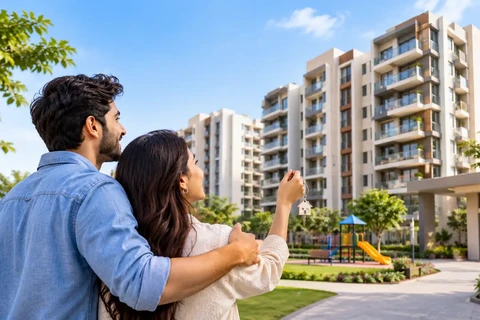
Residential living in Indian cities has changed considerably over the past few decades. Earlier, homebuyers primarily focused on essential requirements such as location, apartment size, construction quality, and affordability. While these factors continue to influence purchasing decisions, modern homebuyers are increasingly considering a wider range of requirements.
Changes in employment patterns, family structures, technology, transportation, and lifestyle preferences have influenced the way residential properties are planned and evaluated. People now consider how a home supports their daily routines, professional responsibilities, family activities, and personal preferences.
The concept of premium residential living has also evolved. It is no longer limited to larger apartments or expensive interiors. It increasingly involves thoughtful layouts, convenient surroundings, organised infrastructure, common facilities, and a comfortable residential environment.
1. Changing Expectations of Modern Homebuyers
Modern homebuyers have access to more information than previous generations. They can compare locations, property configurations, amenities, construction details, and project approvals before visiting a property.
This has changed the way people approach homebuying decisions. Instead of evaluating a residential property only through its appearance, buyers often examine practical aspects such as ventilation, natural lighting, room arrangements, storage, privacy, and maintenance requirements.
Families may prefer layouts that provide separate spaces for different activities, while working professionals may look for homes that can accommodate work-from-home arrangements.
The increasing availability of information has also made buyers more conscious of the difference between advertised features and facilities that are actually available.
Also read: Important Factors to Consider Before Buying Your First Residential Property
2. The Growing Importance of Thoughtful Apartment Planning
Apartment planning is an important part of residential comfort. A well-designed home should make effective use of available space and allow residents to carry out everyday activities conveniently.
Room dimensions, kitchen arrangements, bathroom placement, balcony access, and circulation space can influence how practical an apartment feels.
Modern residential developments increasingly consider the different requirements of households. A family with children may need additional storage and flexible spaces, whereas professionals may value a separate work area.
In larger apartment configurations, the arrangement of bedrooms and common living spaces can influence privacy and functionality.
For people researching Godrej Elanor Pune, reviewing the actual floor plans, carpet areas, room dimensions, ventilation, and orientation can help them understand whether the apartment configuration meets their requirements.
3. Amenities and the Changing Meaning of Residential Convenience
Amenities have become an important part of residential development. Earlier, many buyers considered facilities such as parking, elevators, and basic security sufficient. Today, residential projects may include fitness areas, landscaped spaces, indoor activity zones, children's play areas, and community spaces.
These facilities are intended to support different activities within the residential environment. Fitness facilities can provide opportunities for physical activity, while community spaces can support social interaction among residents.
However, the usefulness of an amenity depends on its design, accessibility, maintenance, and actual availability. A long list of facilities does not necessarily indicate that a residential project will offer a better living experience.
Homebuyers should examine which amenities are included within the project, which are shared with a larger township, and whether any additional charges apply.
4. Green Spaces and the Need for Balanced Urban Living
Urban expansion often reduces the availability of open spaces in densely developed neighbourhoods. As a result, landscaped areas, gardens, walking paths, and public greens have become relevant considerations for residential planning.
Green spaces can provide areas for outdoor activities, relaxation, and interaction with neighbours. They can also contribute to the visual quality of residential surroundings.
In larger developments, the planning of open spaces requires attention to pedestrian access, maintenance, landscaping, safety, and the relationship between buildings and common areas.
The Mahalunge region in Pune is associated with larger township development initiatives that include shared public greens. Official information for Godrej Elanor refers to access to approximately 8 hectares of public greens within the wider sanctioned township.
Buyers should understand the difference between public or shared township spaces and private amenities maintained exclusively within an individual residential project.
5. Location as a Part of Everyday Lifestyle
The location of a home influences several aspects of daily life. Access to workplaces, schools, hospitals, shopping areas, public transportation, and recreational destinations can determine how conveniently residents manage their routines.
In cities such as Pune, residential growth has extended beyond traditional central neighbourhoods. Areas around Baner, Balewadi, Wakad, Hinjewadi, and Mahalunge have developed in response to employment opportunities and expanding urban infrastructure.
Mahalunge is relevant to people working in Pune's western employment corridor because of its proximity to Hinjewadi and surrounding residential areas.
When evaluating Godrej Elanor Mahalunge, buyers should consider their actual travel requirements, peak-hour traffic conditions, access to public transportation, and the distance to frequently visited destinations.
6. Technology and Modern Residential Management
Technology has influenced residential living in several ways. Digital access systems, video surveillance, visitor management, smart energy controls, and online maintenance communication are increasingly being considered in modern residential planning.
These systems can support security, convenience, and property management when they are properly implemented.
However, technology should be evaluated according to its practical usefulness rather than its presence in marketing material. Buyers should understand which systems are included, how they are maintained, and whether they involve recurring service charges.
Digital infrastructure within residential communities may also support communication between residents and property management teams.
7. Sustainability and Responsible Residential Development
Environmental considerations have become increasingly relevant to urban housing. Water conservation, waste management, energy efficiency, natural ventilation, and responsible landscaping can influence the long-term functioning of residential developments.
Water-efficient fixtures, rainwater harvesting systems, waste segregation, and energy-conscious lighting are examples of measures that may help reduce resource consumption.
The effectiveness of such measures depends on their design and continued maintenance. Homebuyers should ask about the actual sustainability features provided in a project rather than assuming that every modern development follows the same standards.
The availability of natural light, cross-ventilation, and well-planned open spaces can also contribute to a more comfortable residential environment.
Also read: Why Emerging Residential Locations Like Mohan Parkland Kalyan Are Attracting First-Time Homebuyers
8. The Role of Community Spaces in Modern Housing
Residential communities are not only collections of individual apartments. Shared spaces can influence how residents interact and use their surroundings.
Clubhouses, multipurpose halls, gardens, walking areas, and recreational spaces can create opportunities for community activities. These spaces may be useful for families, children, and senior residents with different interests.
At the same time, community facilities require proper management. Maintenance arrangements, usage rules, operating hours, and associated charges should be understood before purchasing a property.
A residential development should balance shared facilities with individual privacy and adequate space for residents.
9. Evaluating Premium Residential Projects Carefully
The term premium is used widely in the property market, but its meaning can differ between projects. A higher price does not automatically indicate better construction, planning, or long-term suitability.
Buyers should evaluate residential properties through measurable factors such as carpet area, construction specifications, layout efficiency, available facilities, location, developer documentation, and project registration.
For Godrej Elanor, prospective buyers can review the available project information, apartment configurations, location details, and applicable MahaRERA registration documents before making a decision.
It is also important to understand the total cost of ownership, including applicable taxes, registration charges, maintenance expenses, parking charges, and other costs mentioned in the agreement.
10. How Urban Residential Preferences May Continue to Evolve
As Indian cities continue to expand, residential preferences are likely to remain influenced by changing work patterns, infrastructure development, environmental concerns, and household requirements.
Some buyers may prioritise proximity to employment centres, while others may focus on larger living spaces, community facilities, or access to educational and healthcare institutions.
The growing importance of flexible home layouts and digital services may also influence future residential planning.
Developers and urban planners will need to consider these changing expectations while creating residential environments that balance convenience, functionality, and responsible resource use.
Conclusion
The landscape of premium residential living in modern Indian cities has moved beyond the traditional focus on apartment size and location. Today's homebuyers increasingly evaluate the complete residential experience, including space planning, amenities, connectivity, green spaces, technology, sustainability, and community facilities.
Locations such as Mahalunge reflect the wider expansion of Pune's residential market, particularly around its western employment corridor. Understanding these changes can help buyers assess residential developments more objectively.
For anyone researching Godrej Elanor, comparing the project's actual specifications, location advantages, legal documentation, and overall costs with personal housing requirements is an important part of the decision-making process.
Project Information: Godrej Elanor, Mahalunge, Pune
Website: godrejelanor.com
Contact: +91 8177834563
Filed under Real Estate
Read next

Comments