
Why Do Some People Experience Heavy or Tired Legs at the End of the Day?
Persistent leg heaviness may indicate circulation problems, vein disorders or muscle fatigue. Understand the possible causes and when medical evaluation is necessary.

Leg heaviness and tiredness towards the end of the day are common complaints, particularly among people who spend long hours standing, sitting or performing physically demanding activities. While occasional fatigue may result from muscle strain, recurring symptoms can sometimes indicate an underlying circulation problem. Understanding the reasons behind this discomfort is important because certain vein-related conditions can gradually affect mobility and overall leg health if left unaddressed.
What Causes Legs to Feel Heavy After a Long Day?
The sensation of heavy legs is often associated with fatigue, fluid accumulation or changes in blood circulation. The leg muscles and veins work together to return blood towards the heart. When this process becomes less efficient, pressure can build up in the lower limbs.
Some common contributing factors include:
Prolonged sitting or standing: Remaining in one position for several hours can affect blood circulation in the legs.
Muscle fatigue: Excessive physical activity or inadequate rest can cause temporary heaviness.
Fluid retention: Accumulation of fluid in the lower limbs may produce swelling and discomfort.
Excess body weight: Additional pressure on the veins can make it harder for blood to return towards the heart.
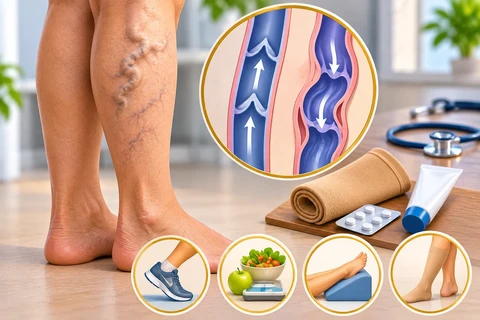
Venous insufficiency: Weak or damaged vein valves can allow blood to flow backwards and accumulate in the legs.
The frequency and duration of symptoms help determine whether the discomfort is temporary or requires medical investigation.
Also read: Gallstones: Symptoms, Causes, Emergency Signs and What Indian Readers Should Know
How Do Vein Problems Contribute to Leg Heaviness?
Veins contain small valves that help maintain the upward movement of blood towards the heart. These valves prevent blood from flowing backwards under the influence of gravity. When the valves become weak or damaged, blood may collect in the lower leg veins. This condition is known as chronic venous insufficiency.
Over time, increased pressure within the veins can contribute to symptoms such as:
A persistent heavy or aching sensation.
Swelling around the ankles and calves.
Burning or itching around affected veins.
Muscle cramps, particularly during the night.
Visible blue or purple veins beneath the skin.
Varicose veins are one of the visible signs associated with weakened vein valves. People experiencing these symptoms may require an assessment from a vascular surgeon in Ahmedabad or an appropriately qualified vascular specialist to identify the underlying cause.
Are Heavy Legs Always a Sign of Varicose Veins?
No. Leg heaviness does not automatically indicate varicose veins. Several other medical and lifestyle-related factors can produce similar symptoms.
For example, prolonged inactivity may affect circulation, while muscle injuries can cause localised discomfort. Certain medications and medical conditions may also contribute to swelling in the lower limbs.
However, recurring heaviness accompanied by visible enlarged veins, ankle swelling or skin discolouration deserves medical attention.
The distinction is important because different conditions require different management approaches. Treating muscle fatigue with rest may help, but symptoms caused by damaged vein valves may need specific medical intervention.
When Should Persistent Leg Discomfort Be Medically Evaluated?
Occasional tiredness after physical activity is generally different from discomfort that continues despite adequate rest. Persistent symptoms, especially when they gradually become more noticeable, should not be ignored.
Medical evaluation is particularly important if a person experiences:
Repeated swelling in one or both legs.
Pain or heaviness that increases towards evening.
Darkening or thickening of the skin near the ankles.
Itching or inflammation around enlarged veins.
Wounds near the ankles that take longer to heal.
Sudden swelling or severe pain in one leg, particularly when accompanied by warmth or redness, requires urgent medical assessment because it may indicate a blood clot. A vascular specialist can assess the symptoms, medical history and circulation to determine whether further investigation is necessary.
Also read: Varicose Veins: Symptoms, Causes, Warning Signs and Treatment Options in India
What Investigations Help Identify the Underlying Problem?
A clinical examination is usually the starting point for evaluating persistent leg heaviness. The doctor may examine visible veins, check for swelling and discuss how symptoms change throughout the day.
A Colour Doppler ultrasound is commonly used to assess blood flow through the leg veins. It helps identify abnormal blood movement, valve dysfunction and areas where blood may be accumulating.
Based on the findings, the doctor can determine whether the symptoms are related to venous insufficiency, varicose veins or another condition.
For people who require varicose veins treatment in Ahmedabad, identifying the affected veins and understanding the severity of the condition are important steps before selecting an appropriate treatment approach.
What Measures Can Help Reduce Daily Leg Fatigue?
Lifestyle adjustments can support circulation and reduce discomfort, particularly when symptoms are associated with prolonged sitting or standing.
Some useful measures include:
Regular movement: Walking activates the calf muscles, which assist blood circulation towards the heart.
Leg elevation: Raising the legs while resting may help reduce fluid accumulation.
Avoiding prolonged inactivity: Taking short movement breaks during work can prevent extended periods of immobility.
Maintaining a healthy weight: Managing body weight can reduce pressure on the lower limb veins.
Following medical advice: Compression stockings may be recommended in certain cases after professional assessment.
These measures can help manage symptoms but do not repair damaged vein valves. Persistent symptoms may require medical treatment.
Conclusion
Heavy or tired legs at the end of the day can result from everyday physical strain, but recurring discomfort may indicate an underlying vascular condition. Recognising accompanying symptoms and seeking timely evaluation can help prevent complications associated with untreated vein disorders. Understanding the cause is essential before choosing any treatment. Dev Hospital provides vascular and interventional radiology services for patients requiring specialised evaluation of vascular conditions.
Filed under Health & Fitness
Read next



Comments