
How Growing Suburban Development Is Transforming Mumbai's Residential Real Estate Market
Why demand is shifting to Mumbai's suburbs, how transport, schools, hospitals and job hubs drive it, and what modern housing in established suburbs such as Mulund offers buyers.
Mumbai's residential real estate market has undergone significant changes over the years. As the city continues to expand, suburban locations are becoming increasingly important in meeting the housing requirements of a growing population. Rising urban density, changing lifestyle preferences, and improvements in transportation infrastructure have encouraged many homebuyers to explore residential options beyond traditional city centres.
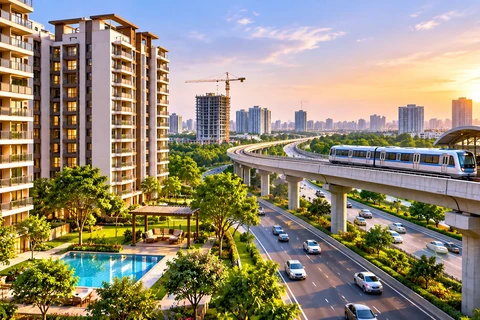
Suburban development is not limited to the construction of new residential buildings. It also involves improvements in roads, public transportation, educational institutions, healthcare facilities, shopping destinations, and recreational infrastructure. These developments contribute to the growth of organised neighbourhoods and influence how people choose their homes.
1. Increasing Demand for Suburban Housing
One of the major factors driving suburban residential growth is the increasing demand for accessible and practical housing options. As employment opportunities expand across different parts of the Mumbai Metropolitan Region, people are exploring locations that provide a balance between commuting convenience and everyday living.
Suburban neighbourhoods often offer access to established social infrastructure while providing different residential configurations and housing choices. This has made them relevant for working professionals, families, and individuals planning long-term homeownership.
The development of locations such as Mulund highlights how suburban areas are becoming an important part of Mumbai's changing residential landscape. Projects such as Sheth Eraya can be considered within the wider discussion of modern housing developments emerging in established suburban neighbourhoods.
Also read: How Infrastructure Development Is Transforming Residential Real Estate Markets
2. Infrastructure Development and Better Connectivity
Transportation infrastructure plays a significant role in the growth of suburban real estate markets. Connectivity through suburban railways, highways, metro networks, and major roads makes commuting between residential and commercial locations more convenient.
Mumbai's Eastern Express Highway and LBS Marg are important road connections supporting movement across several suburban areas. Railway connectivity also remains an essential part of daily transportation for residents travelling towards business districts and other parts of the metropolitan region.
Improved connectivity can encourage people to consider residential locations that were previously less convenient for daily commuting. However, homebuyers should evaluate actual travel distances, existing transportation facilities, and the status of proposed infrastructure projects before selecting a property.
3. The Importance of Social Infrastructure
Social infrastructure is another important factor influencing residential preferences. Educational institutions, hospitals, shopping centres, supermarkets, restaurants, and recreational facilities contribute to the convenience of a neighbourhood.
Families generally prefer locations where schools and healthcare facilities are accessible without extensive travel. Working professionals may prioritise nearby shopping destinations, public transportation, and access to employment centres.
Mulund West is an established suburban locality with access to various educational, healthcare, commercial, and recreational facilities. Residential developments such as Sheth Eraya Mulund form part of the broader housing options available in areas where established social infrastructure supports everyday urban living.
4. Changing Lifestyle Preferences of Homebuyers
Homebuyer expectations have evolved considerably with changing work patterns and family requirements. Modern buyers increasingly evaluate apartment layouts, natural lighting, ventilation, open spaces, security arrangements, and lifestyle amenities.
Residential properties are now assessed not only on the basis of their location and size but also on how effectively they support everyday activities.
Facilities such as fitness centres, landscaped gardens, children's play areas, walking tracks, and multipurpose spaces can contribute to a more comfortable residential environment.
Suburban developments are increasingly incorporating these lifestyle considerations into their planning. This reflects the growing preference for homes that combine urban accessibility with convenient living environments.
5. The Role of Employment Hubs in Residential Growth
Employment opportunities have a strong influence on residential demand. Locations with convenient access to commercial districts and business centres often attract people looking to reduce commuting difficulties.
Mumbai's suburban regions are connected to several employment destinations across the metropolitan area. Access to business hubs in Powai, Airoli, Thane, and other commercial locations makes suburban connectivity an important consideration for homebuyers.
When employment centres expand, surrounding residential areas may also experience increased housing interest. This relationship between employment opportunities, transportation infrastructure, and residential development contributes to the changing property market.
Also read: The Growing Importance of Commercial Real Estate in India's Urban Development
6. Modern Residential Development in Established Suburbs
As suburban areas become more developed, residential projects are increasingly expected to provide functional apartment layouts and facilities suited to contemporary lifestyles.
Homebuyers often compare factors such as carpet area, apartment configuration, construction quality, amenities, maintenance arrangements, and developer credentials before making a decision.
The growing interest in Sheth Eraya Mulund West can be understood within this wider pattern of suburban housing preferences, where buyers consider both the residential property and the advantages of its surrounding neighbourhood.
Similarly, the location-based housing demand associated with Eraya Mulund reflects the importance of established suburban destinations in Mumbai's residential real estate market.
7. Future of Mumbai's Suburban Real Estate Market
The future of suburban real estate will depend on several factors, including infrastructure expansion, population growth, employment opportunities, urban planning, and housing affordability.
As Mumbai continues to develop, suburban locations are likely to remain important for accommodating different categories of homebuyers. Improvements in public transportation, road networks, and civic facilities can further influence residential preferences.
However, buyers should carefully assess property prices, legal documentation, construction progress, and actual neighbourhood facilities before making investment or homeownership decisions. Understanding both current conditions and realistic future development prospects is essential for informed property selection.
Conclusion
Suburban development is transforming Mumbai's residential real estate market by creating new housing opportunities and improving access to essential infrastructure. Better connectivity, established social facilities, expanding employment hubs, and changing lifestyle expectations are influencing how people select their homes.
Locations such as Mulund West demonstrate the importance of established suburban neighbourhoods in the city's evolving housing landscape. As urban development continues, the relationship between infrastructure, accessibility, and residential planning will remain an important factor shaping Mumbai's real estate market.
Filed under Real Estate
Read next

Comments