
How Infrastructure Development Is Transforming Residential Real Estate Markets
Why transport links, social infrastructure and planned urban expansion now weigh as much as the flat itself, with examples from Mumbai, Thane and Pune's growing residential markets.
Infrastructure development plays an important role in shaping residential real estate markets across India. As cities expand and new areas experience planned development, improvements in roads, public transportation, healthcare facilities, educational institutions, and commercial infrastructure are influencing people's home-buying decisions. Today, homebuyers consider more than just the design and size of a property. They also evaluate the surrounding infrastructure, daily convenience, connectivity, and future development potential of a location.
The Connection Between Infrastructure and Residential Growth
Infrastructure is one of the major factors influencing the growth of residential neighbourhoods. Better road networks, flyovers, highways, and public transportation systems make it easier for people to travel between their homes and workplaces. Areas that were previously considered distant can become more accessible after the development of important transportation facilities.
For example, the development of residential neighbourhoods in Mumbai highlights how infrastructure improvements can influence housing demand. Locations such as Mulund West have benefited from established road connectivity, railway access, educational institutions, healthcare facilities, and commercial developments. Projects such as Sheth Eraya Mulund West reflect the growing importance of residential locations where connectivity and everyday facilities contribute to the overall living experience.
Also read: How Growing Suburban Development Is Transforming Mumbai's Residential Real Estate Market
How Transportation Infrastructure Influences Homebuyer Decisions
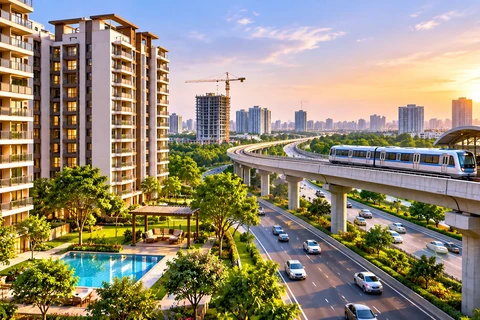
Transportation connectivity is among the first factors people consider when selecting a residential property. Access to railway stations, metro networks, highways, and major roads can reduce commuting difficulties and make everyday travel more convenient.
The expansion of metro networks in major Indian cities has also influenced residential development patterns. Improved public transportation creates better connections between residential areas, business districts, and commercial centres. This encourages more people to explore housing options in developing neighbourhoods.
Additionally, road infrastructure plays an important role in supporting residential growth. Well-maintained roads, organised traffic systems, and improved junctions help residents access essential services more efficiently. Such developments can make a location more attractive to families, working professionals, and individuals planning long-term homeownership.
The Role of Social Infrastructure in Residential Communities
Apart from transportation, social infrastructure is equally important in determining the suitability of a residential location. Schools, colleges, hospitals, shopping centres, recreational facilities, and public spaces contribute to a comfortable lifestyle.
Families generally prefer neighbourhoods where essential facilities are available within a reasonable travelling distance. Access to healthcare facilities provides convenience during emergencies, while nearby educational institutions reduce daily travel requirements for students.
Shopping areas, restaurants, fitness centres, and entertainment destinations also support the development of active residential communities. When these facilities grow alongside housing developments, neighbourhoods become more organised and convenient for residents.
Emerging Residential Locations and Urban Expansion
As metropolitan cities become increasingly populated, residential development is gradually expanding towards emerging suburban locations. These areas often attract attention because of improving infrastructure, availability of residential spaces, and planned urban development.
Pune is one example of a city experiencing continuous residential and infrastructure growth. The expansion of road networks, IT corridors, educational institutions, and commercial centres has contributed to the development of several residential neighbourhoods. Homebuyers exploring properties in the city often consider connectivity and access to employment hubs before making a decision.
Similarly, developments such as Purva Panorama can be considered in the broader context of how residential projects form part of changing urban housing patterns. The availability of residential options in developing areas reflects the relationship between infrastructure improvements and changing homebuyer preferences.
Infrastructure Development and Long-Term Residential Planning
Infrastructure development does not only influence immediate housing demand but also plays a role in long-term residential planning. Governments and urban development authorities continuously work towards improving transportation systems, public utilities, water supply, drainage networks, and other essential services.
These improvements support the development of more organised neighbourhoods. Reliable electricity, water supply, sewage management, and waste disposal systems are essential for maintaining residential standards.
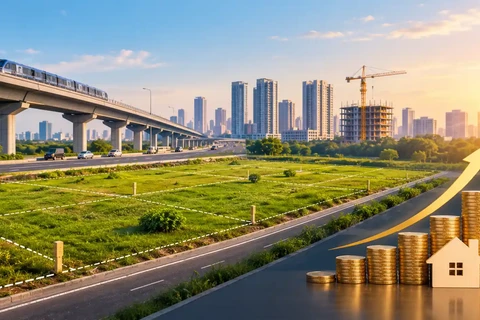
Homebuyers should also evaluate planned infrastructure projects carefully. Proposed highways, metro routes, commercial centres, and public facilities may influence the future accessibility of a location. However, it is important to distinguish between completed infrastructure, ongoing construction, and proposed developments before making a property-related decision.
Also read: The Growing Importance of Commercial Real Estate in India's Urban Development
The Importance of Sustainable Infrastructure
With increasing urbanisation, sustainable infrastructure has become an important part of residential development. Modern cities require infrastructure that supports population growth while maintaining environmental balance.
Green spaces, pedestrian-friendly roads, cycling tracks, rainwater harvesting systems, efficient drainage, and energy-conscious planning can contribute to healthier residential environments. Sustainable infrastructure also helps manage the pressure on urban resources.
Residential communities that consider environmental factors alongside connectivity and essential facilities can support more balanced urban living. Proper planning of public spaces and utility networks is also important for improving the overall quality of residential neighbourhoods.
How Infrastructure Shapes Future Housing Preferences
Homebuyer expectations continue to evolve as cities develop. Earlier, property buyers often focused primarily on budget, carpet area, and the number of bedrooms. Today, many also consider workplace connectivity, nearby healthcare facilities, educational options, recreational spaces, and the overall development of the surrounding neighbourhood.
This changing approach has encouraged developers and urban planners to pay greater attention to location planning and the supporting infrastructure around residential developments.
Cities such as Pune continue to experience residential expansion due to their employment opportunities, educational institutions, and improving connectivity. Residential developments such as Godrej Elanor Pune can be discussed within this wider trend of urban housing growth, where infrastructure and accessibility remain important considerations for homebuyers.
Conclusion
Infrastructure development is an essential factor in transforming residential real estate markets across India. Improvements in transportation, social facilities, public utilities, and sustainable urban planning influence how people choose their homes and evaluate residential locations.
As cities continue to expand, the relationship between infrastructure and housing development will become increasingly important. For homebuyers, understanding the existing facilities and future infrastructure plans of a neighbourhood can help in making informed property decisions. Well-planned infrastructure ultimately contributes to better connectivity, improved convenience, and more organised residential communities.
Filed under Real Estate
Read next
Comments